.png)

Raw Honey
Honey Receipe


For people living with diabetes or those who have family members managing blood sugar levels, one question comes up again and again:
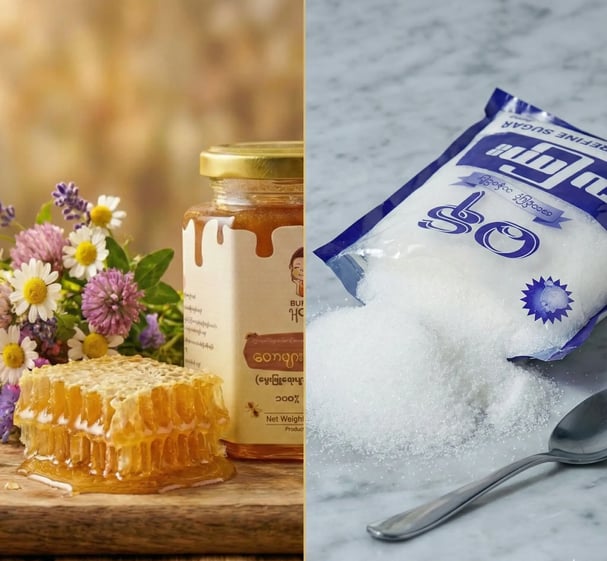
Because honey tastes sweet, many people automatically assume it should be completely avoided. This concern is natural. However, when we look closer, honey is not the same as refined sugar, and when used correctly, it may even offer certain health benefits for people with diabetes.
In this article, Burmese Honey explains what diabetics need to know about honey, how it differs from sugar, and how to consume it safely.
The primary difference between honey and white sugar lies in the Glycemic Index (GI), which measures how quickly a food raises blood sugar levels. Refined white sugar has a high GI, causing rapid spikes in glucose. Raw honey, however, has a lower GI, meaning it is absorbed more slowly and results in a more gradual rise in blood sugar.
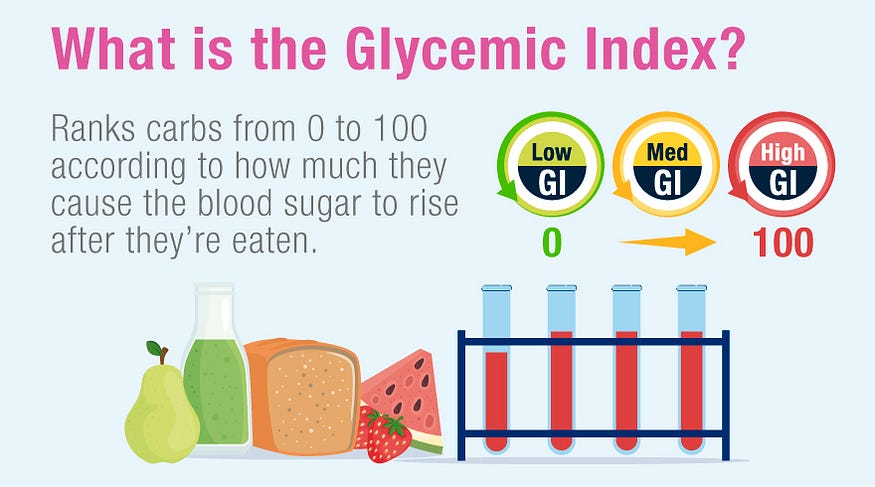
Furthermore, unlike refined sugar, which provides "empty calories," raw honey contains essential vitamins, minerals, and powerful antioxidants that support your body’s overall metabolic functions.
Scientific studies suggest that moderate consumption of pure raw honey may help:
Additionally, honey has long been used externally for wound care. For diabetics who often experience slow-healing wounds, topical application of honey may help due to its natural antibacterial properties.
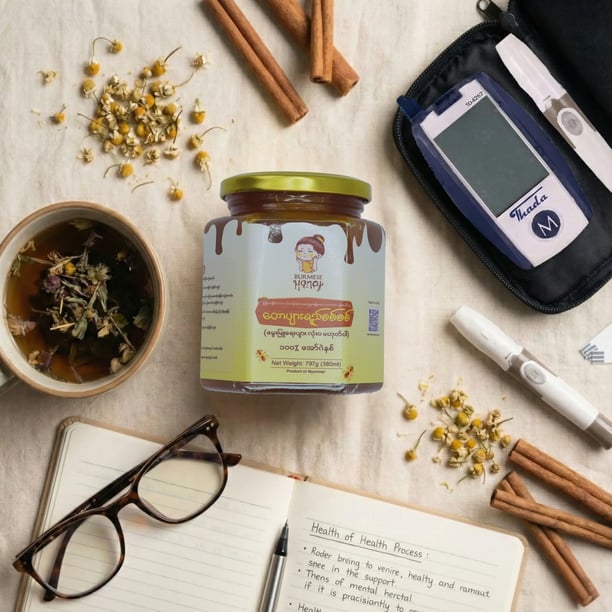
Important note: These benefits apply only to pure, unprocessed raw honey, not commercial honey mixed with sugar syrup.
This is the most critical factor for anyone with diabetes. You must choose Raw Honey (unprocessed and unheated).
For diabetics, only raw honey should be considered. Many products on the market are heavily processed or diluted with sugar syrup, which can be harmful for blood sugar control.
Burmese Honey is:
Because it is not processed, it retains its natural health-supporting properties.
Even healthy foods must be consumed with care. If you have diabetes, follow these guidelines:

Honey should never be consumed excessively, even if it is natural.
Can Diabetics Drink Honey Before Bed?
Some people wonder whether honey can be consumed at night. For diabetics, this depends entirely on:
If consumed, it should be a very small amount, preferably earlier in the evening and only after medical advice.
Honey is not the enemy for people with diabetes.
When consumed in moderation, chosen carefully, and monitored properly, raw honey can be a safer alternative to refined sugar and may even provide additional health support.
The most important rule is simple:
👉 Choose real raw honey. Avoid processed or mixed products.
You can explore and purchase Burmese Honey, a trusted source of raw Myanmar honey, directly from our this link.
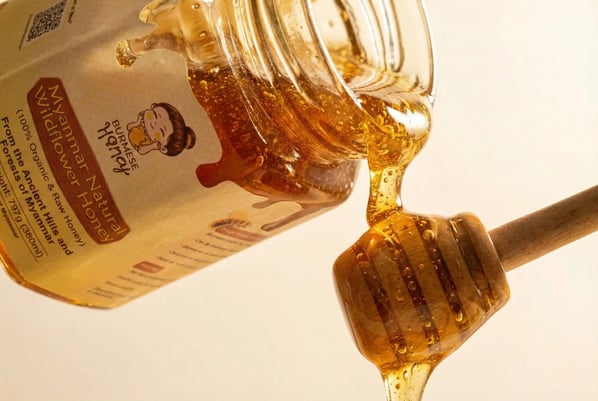
Give your family the gift of pure nature—Order Burmese Honey Online Now.
.webp?width=1200&height=628&name=Day%2012%20ENG%20(1).webp)